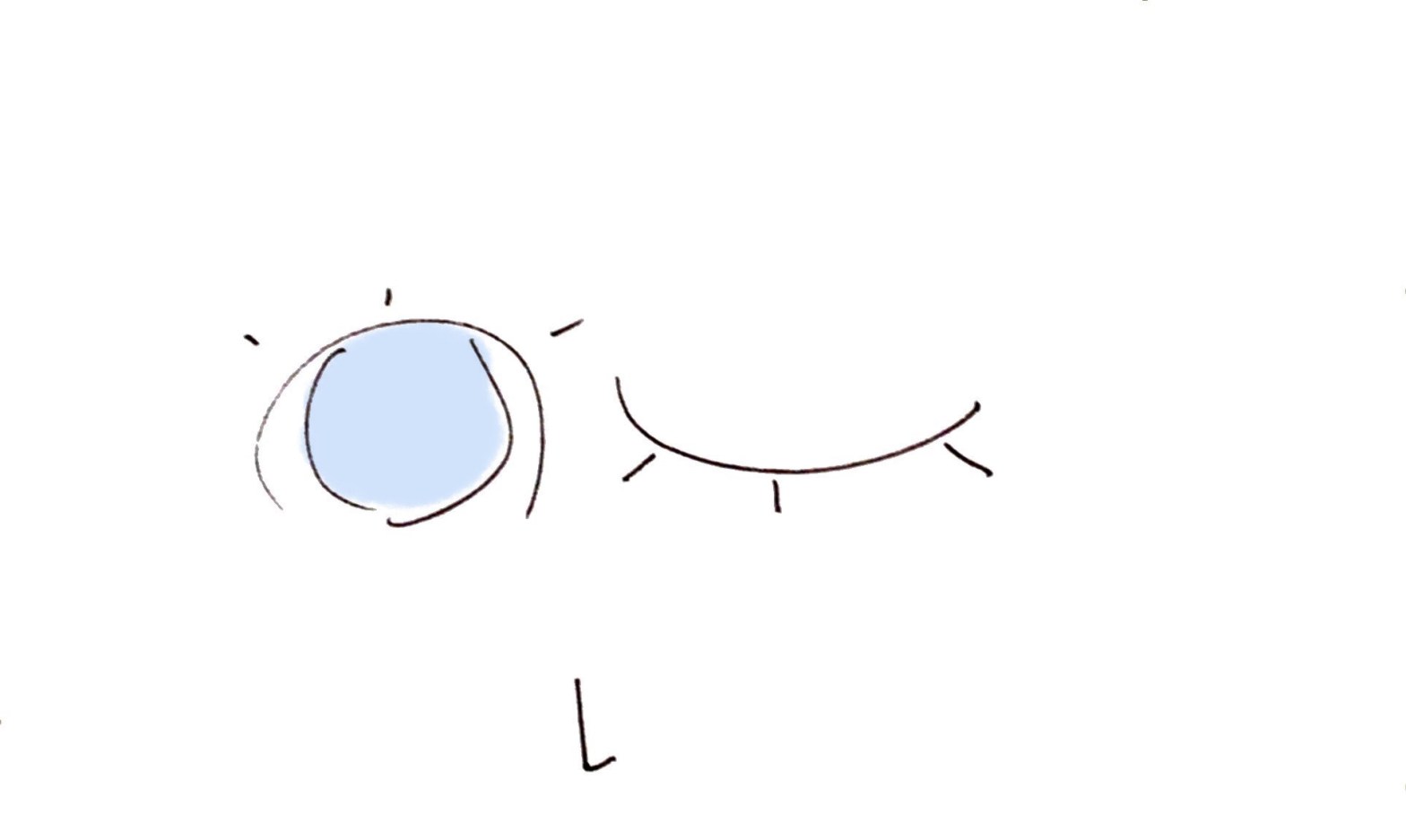
The Benefit of Blind Spots
My thoughts on this are still fledging, but here, sandbox style, are a few of the dots I’m connecting:
1. Blind spots are generally regarded as a Bad Thing. Which is understandable. Blind spots on cars are safety liabilities that engineers try to mitigate. Organizations have blind spots that prevent them from fending off competitors or spotting opportunities for growth. As individuals, we have plentiful blind spots that cause others to shipwreck on our personalities. In literary vernacular we call this hubris.
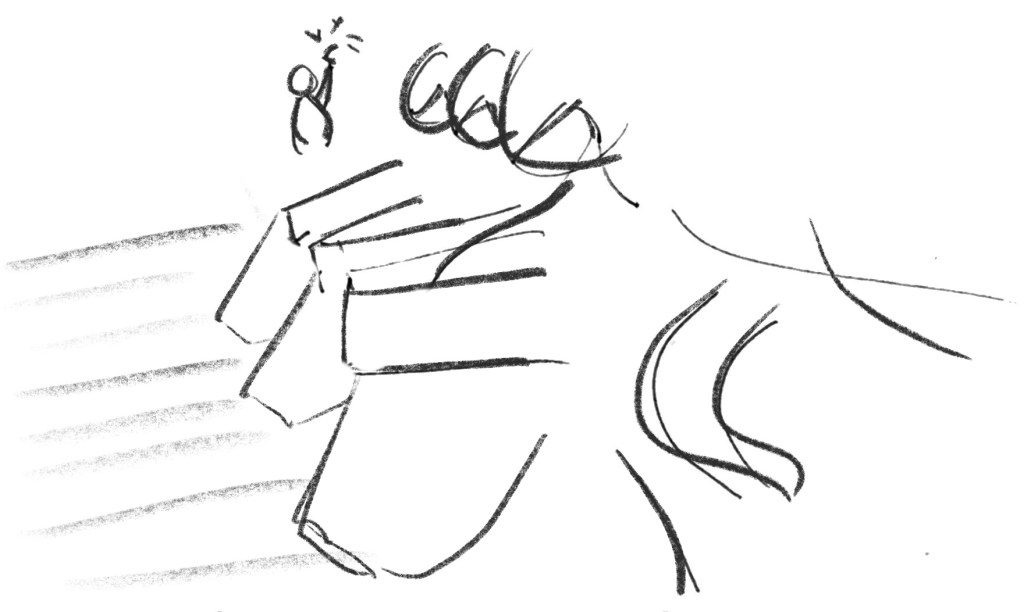
2. When horses race, they wear blinders that prevent them from getting startled by the other horses. With blinders on, they settle down so they can race well. Blinders minimize noise and channel energy. Sometimes we need blinders too. After taking in the big picture, we have to put our heads down and gallop.
3. Vision is not merely receptive; it’s selective. We can choose (to some extent) what we see and what we don’t see. Therefore focus is not solely a function of attention, it’s a function of blindness. By clarifying what we don’t want to see, we also clarify what we do want to see.
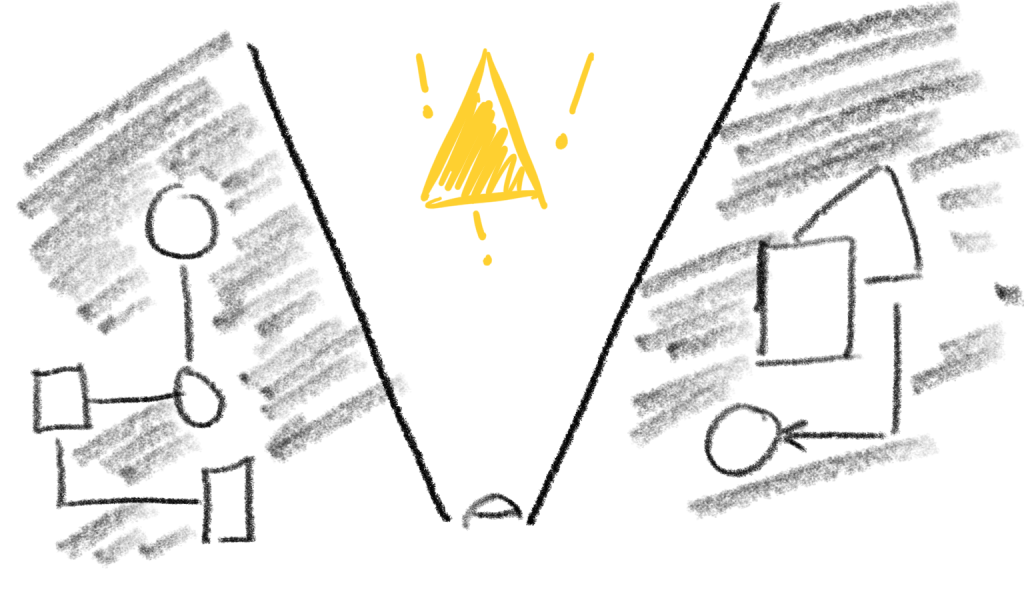
3. Blind spots and decision making? Decades ago the management writer Peter Drucker noticed that among the many executives he worked with, the most effective were choosy with the decisions they made. They made a few, highly valuable decisions. They did not look at all the data. They had a knack for limiting their scope. They were good at filtering trivia. They saw narrower but deeper. Drucker encouraged leaders to make posteriority lists (what shouldn’t I do) in lieu of priority lists. Now apply a visual twist: in any project with lots of details and components, ponder ‘what shouldn’t I be seeing right now?’
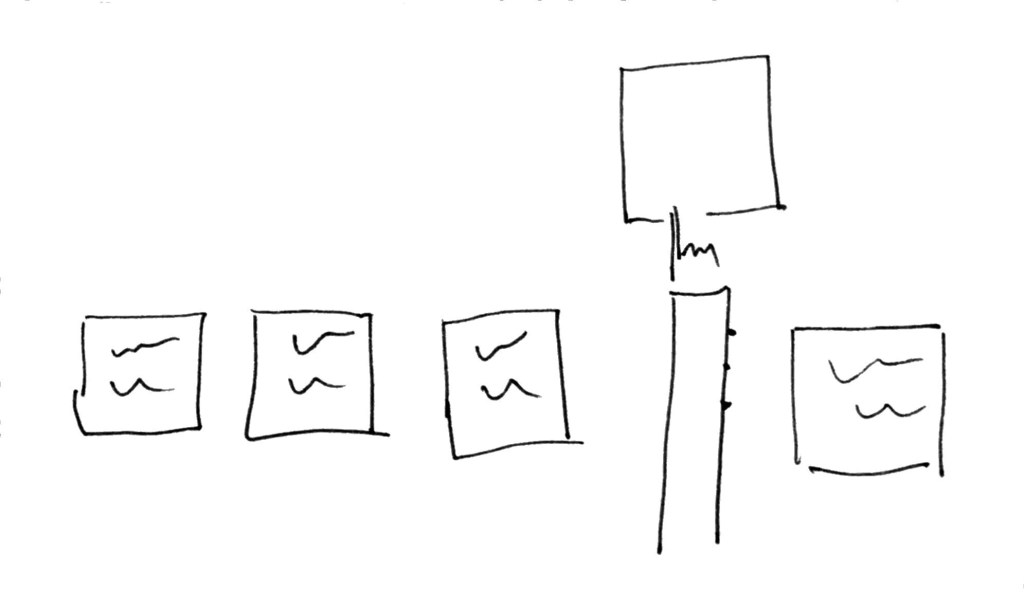
4. Most important and best for last: in a mysterious way, blind spots — our character flaws and judgment errors — compell us to depend on others. Others see problems differently than we do, and in general, they see different problems. Our blind spots, whether we like to admit it or not, undermine our self sufficiency. They force us out of the cramped box of ME, and they allow us, if we’re willing, to share the burden.

 show & tell