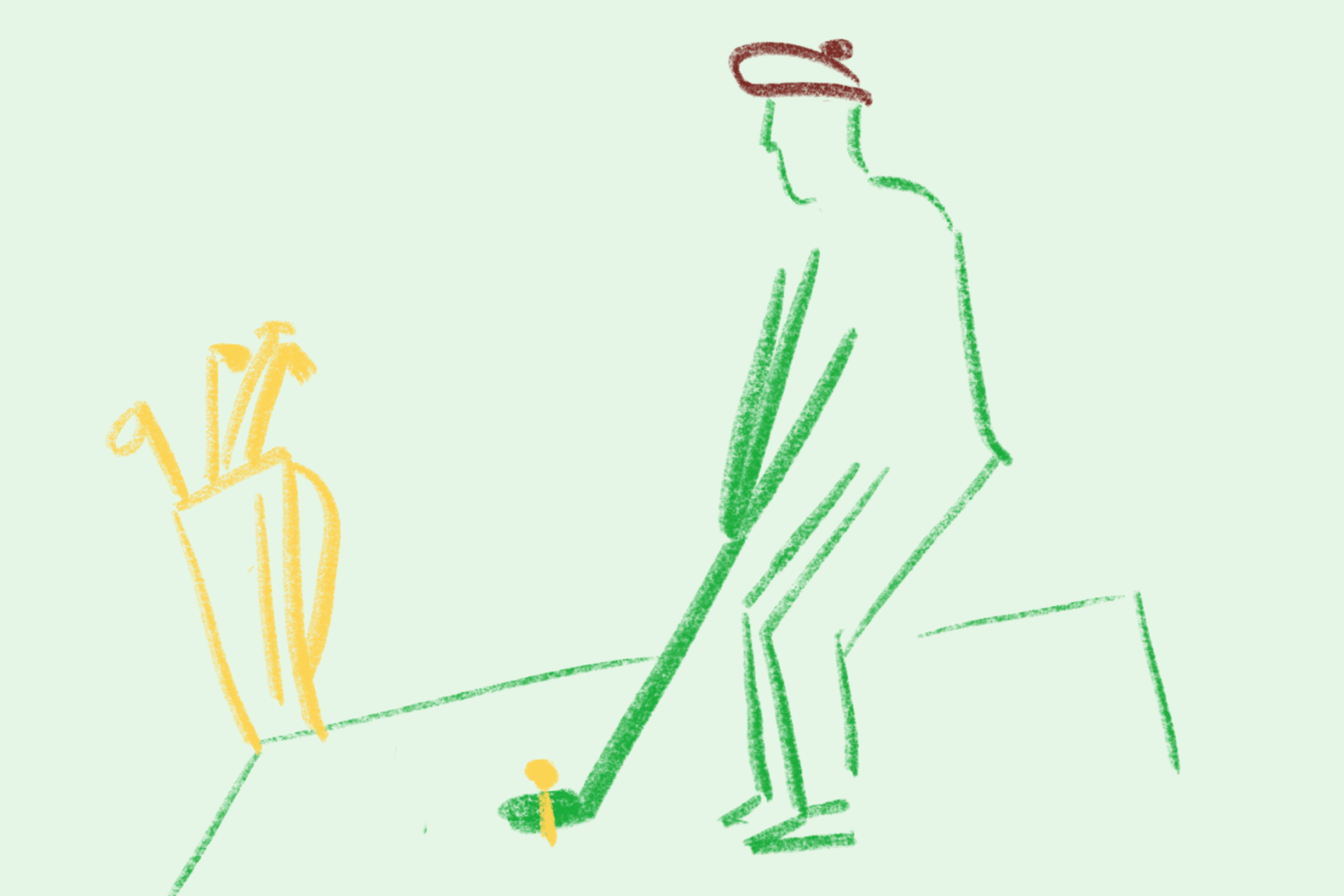
What a writer gleans from the great game of golf
I am not by any means a golf aficionado, a golf junkie, or even an avid amateur. For a long time when golf appeared on the tv I quickly changed the channel, afraid of being bored to death. The few clubs I’ve swung in my life — at driving ranges and chipping greens, have been in short, a hot mess of shanks, slices, and balls that fell off the face of the earth.
But lately my interest in the game is on the upswing. I’ve been reading snippets of golfer bios and learning more about the mental side of golf. I’m amazed at the similarities between golf and storytelling; similarities I’ve never thought of before. The first of which is that a good round of golf is as much an emotional journey as it is a technical craft.
Frustration, anger, impatience, hesitation — all the mental handicaps a golfer contends with on the fairway, an author contends with on the page. An even temper behooves both. You have to find a way to keep playing on in spite of many shots and many conditions that don’t go the way you planned.
The rewards are similar too: the thrill of creative shotmaking, the elation of a tricky putt or paragraph that finds its mark, the confidence that comes from the gradual development of skill. Fair and foul weather are common to both and neither are won in a sprint. You don’t win a round of golf with a single brilliant sally and you don’t write a fine story with a handful of glimmering passages.
Golf and storytelling are long games which means that instinct and willpower are not enough to get you through in one piece. They require a long approach and a long approach demands patience, composure; an unfrazzled acceptance of conditions as they are and a willingness to play them as best as possible. There are many holes, bunkers, sand traps, hazards; many swings, decisions before swings, readjustments, players that play better than you, and days, despite your dedication where you feel you can’t swing a club for the life of you.
The best swing, like the best writing is full of liberty and rhythm. It’s not stifled or tight. The golfer and the storyteller must learn to relax and take a healthy delight in the present. They must be able to put away the past, with its mental rehash of shanks and misfires, as well as the future, with its eager anticipation of the course beyond.
To go one shot at a time, aiming well, trusting the swing; and by the end of it, with luck and pluck and perseverance, string together a series of imperfect shots that make something whole, harmonious, admirable — even beautiful. That’s the goal with both.
 show & tell